
Ultrafine dust measurements since 2016
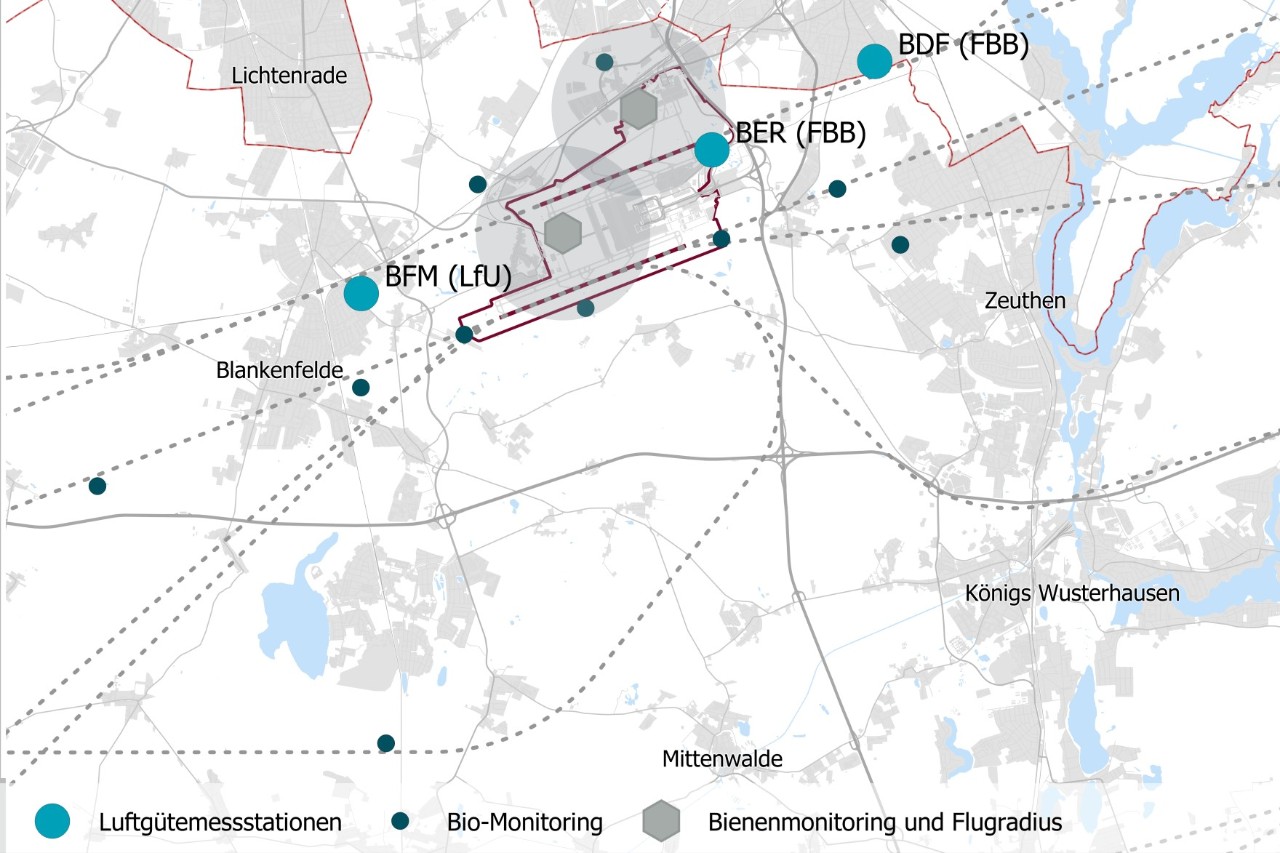
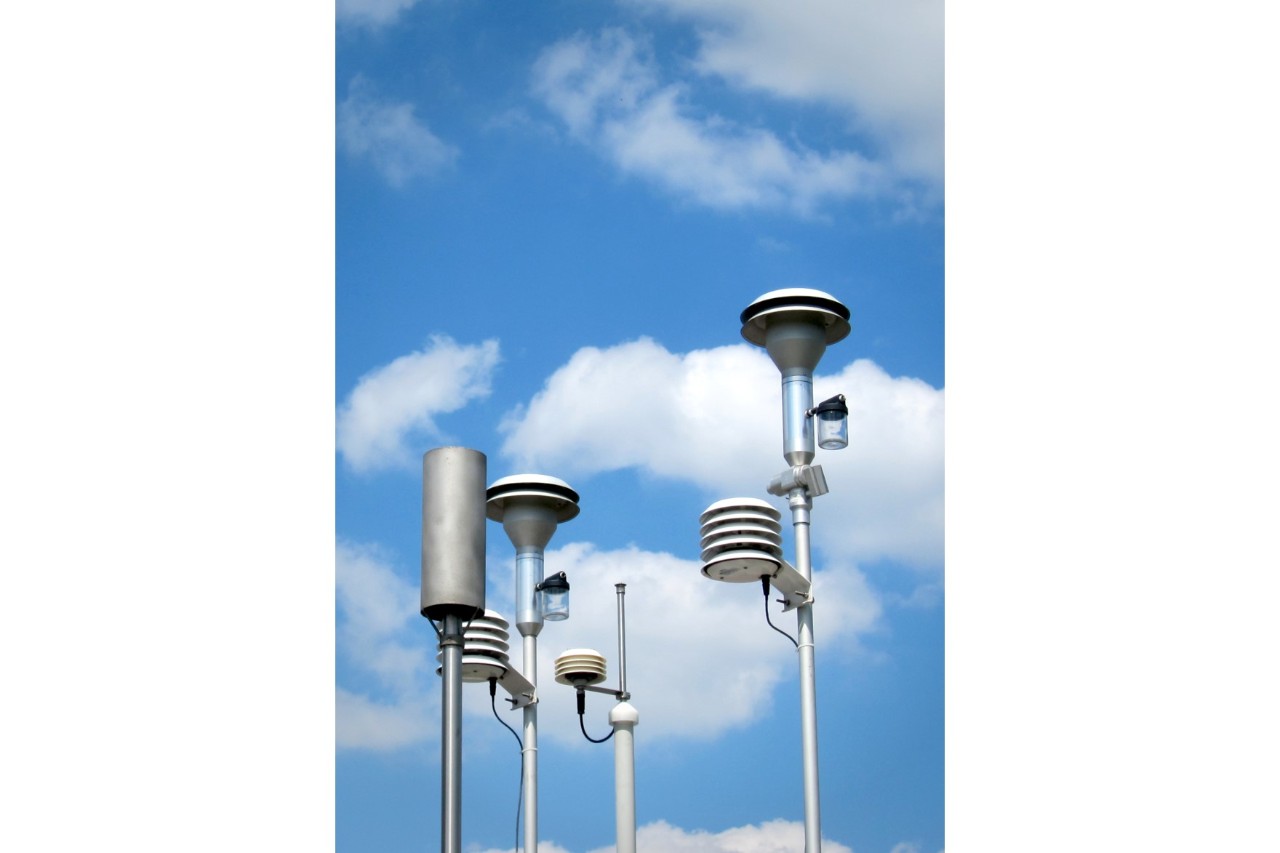
FBB operates two measuring points to measure ultrafine particles (UFP), one directly at BER and another in Berlin-Bohnsdorf (BDF) a few kilometres to the east. Ultrafine particles with a diameter of less than 100 nanometres or less than 0.0001 millimetres are measured, which are mainly produced by combustion processes, e.g. by combustion engines and heaters, but also by barbecues and cooking or by candles and toasters.
No statutory limiting values
Although there are no statutory limiting values, FBB has been conducting ultrafine dust measurements since 2016. The measurements chiefly aim to find out the extent to which BER has an impact on UFP pollution in the neighbourhood. In light of the fact that all combustion processes (car traffic and heating etc.) are a source of ultrafine particles, the particular challenge is to find out what proportion of this is due to BER.
The concentration of ultrafine particles (annual average) varies from year to year
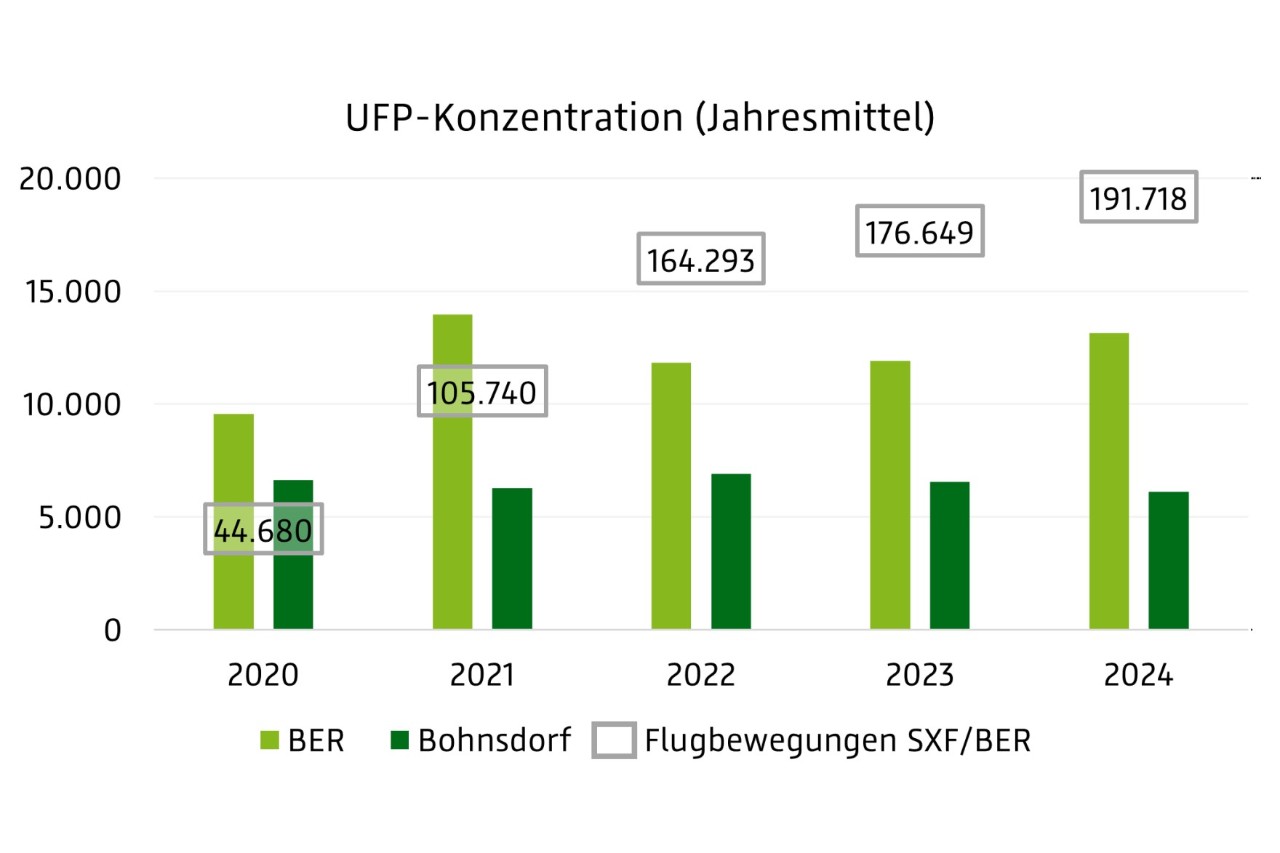
The annual average UFP levels show that the highest UFP levels to date were recorded at BER in 2021, even though significantly more aircraft took off and landed in subsequent years.
No clear correlation between air traffic and ultrafine particulate matter can be established for the measurements taken in Bohnsdorf either. Here, in 2020 – when there was hardly any air traffic at Schönefeld – more ultrafine particulate matter was actually measured than in 2024, when around 150,000 more aircraft took off and landed. The measurement results to date therefore suggest that the ultrafine particulate matter was partly caused by emission sources unrelated to BER Airport.
FBB supports research
Research on the topic of ultrafine particulate matter is still in its infancy and is primarily investigating potential health effects. The FBB supports research projects such as Net4Cities, the ULTRAFLEB project run by the Federal Environment Agency, and the BEAR study conducted by Charité in Berlin and Heinrich Heine University in Düsseldorf. To this end, extensive measurement data is made available and compared across these projects. The research measures UFP particles during a period of several years and also analyses health effects.
How to reach us:
-
 Airport information (24/7)
 -
 Find the right contact


