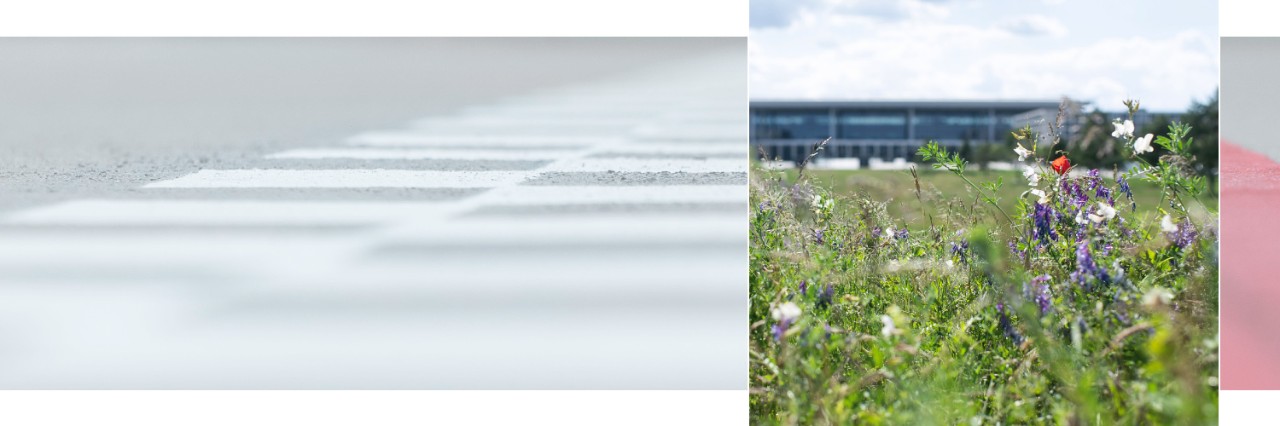
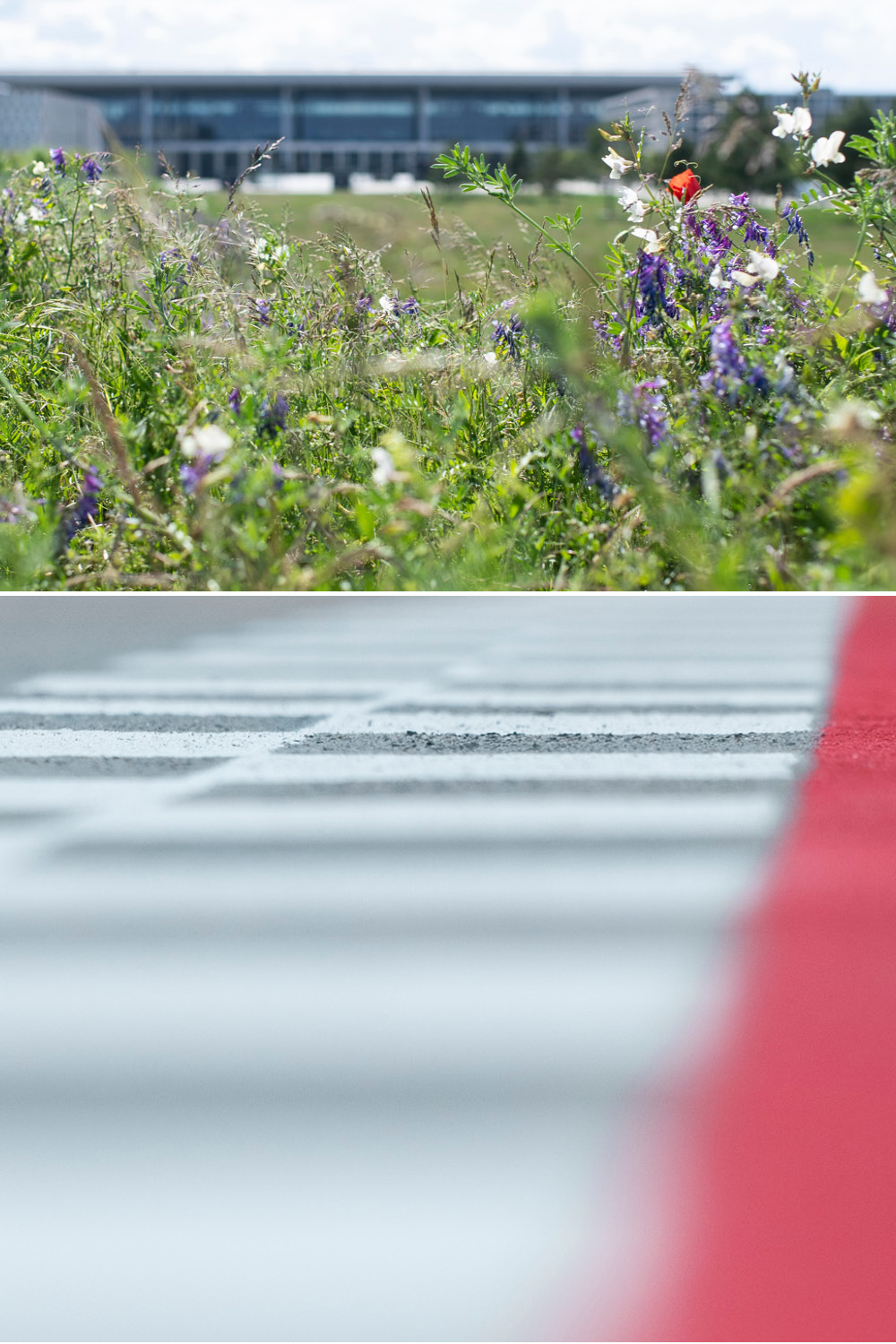
Meadow in front of Terminal 1

Challenges

Climate change calls
for adjustments

The effects of the increasing drought and warmer temperatures in Brandenburg are also clearly noticeable when maintaining counter measures. So-called drought stress in woody plants can favour pest infestations and trees can also suffer sunburn.

Additional watering
increasingly necessary
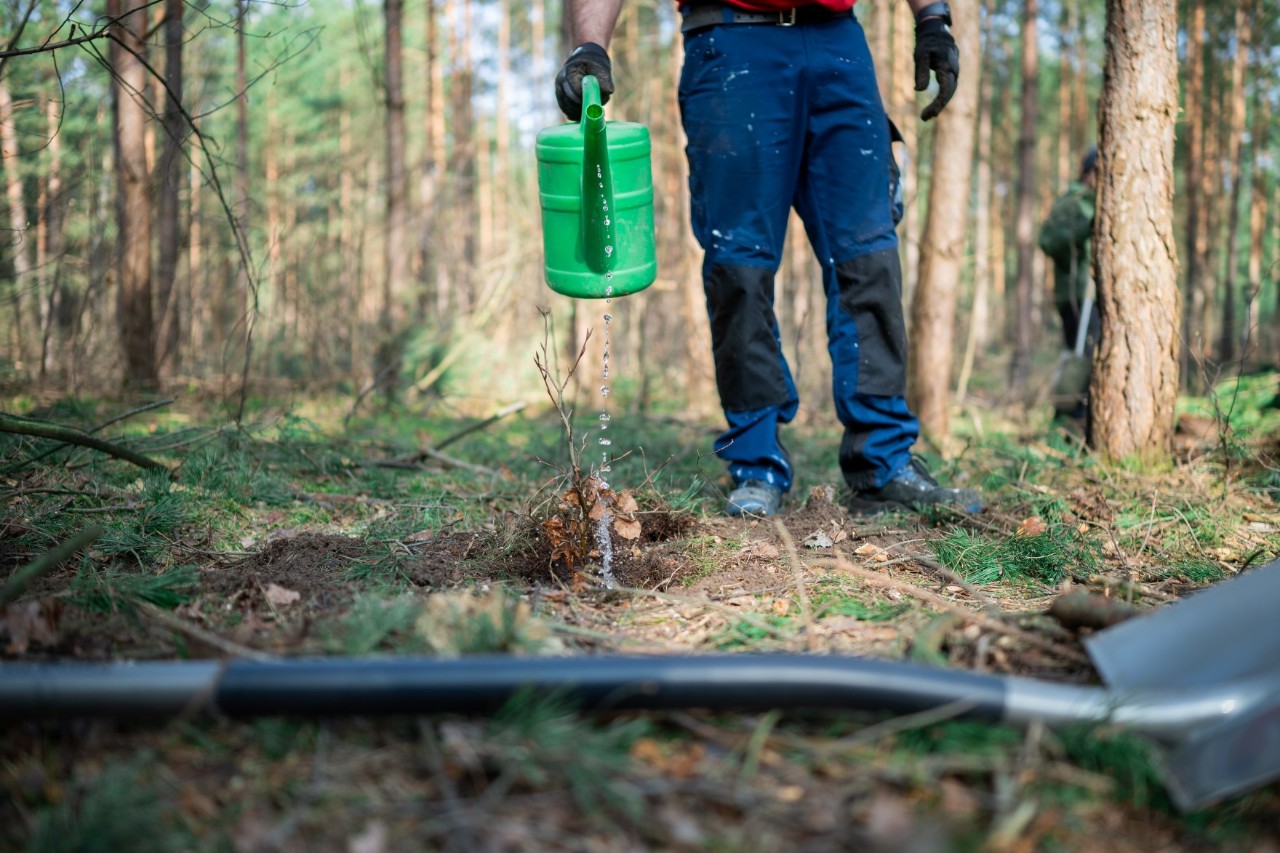
Only the lower half of a person in work clothes can be seen watering a freshly planted young tree in a forest with a watering can.

The response to this is additional watering or the application of protective coatings. Reforestation in the surrounding area and forest reorganisation in the Zülow lowlands are proving particularly challenging. In some areas, replanting has already had to be carried out several times with attempts being made to adapt the range of native tree species in line with the climate change challenges. The wet meadows and salt marshes in the area are also suffering from the drought of recent years. Efforts are being made to keep water on the areas by way of targeted management of the dam.
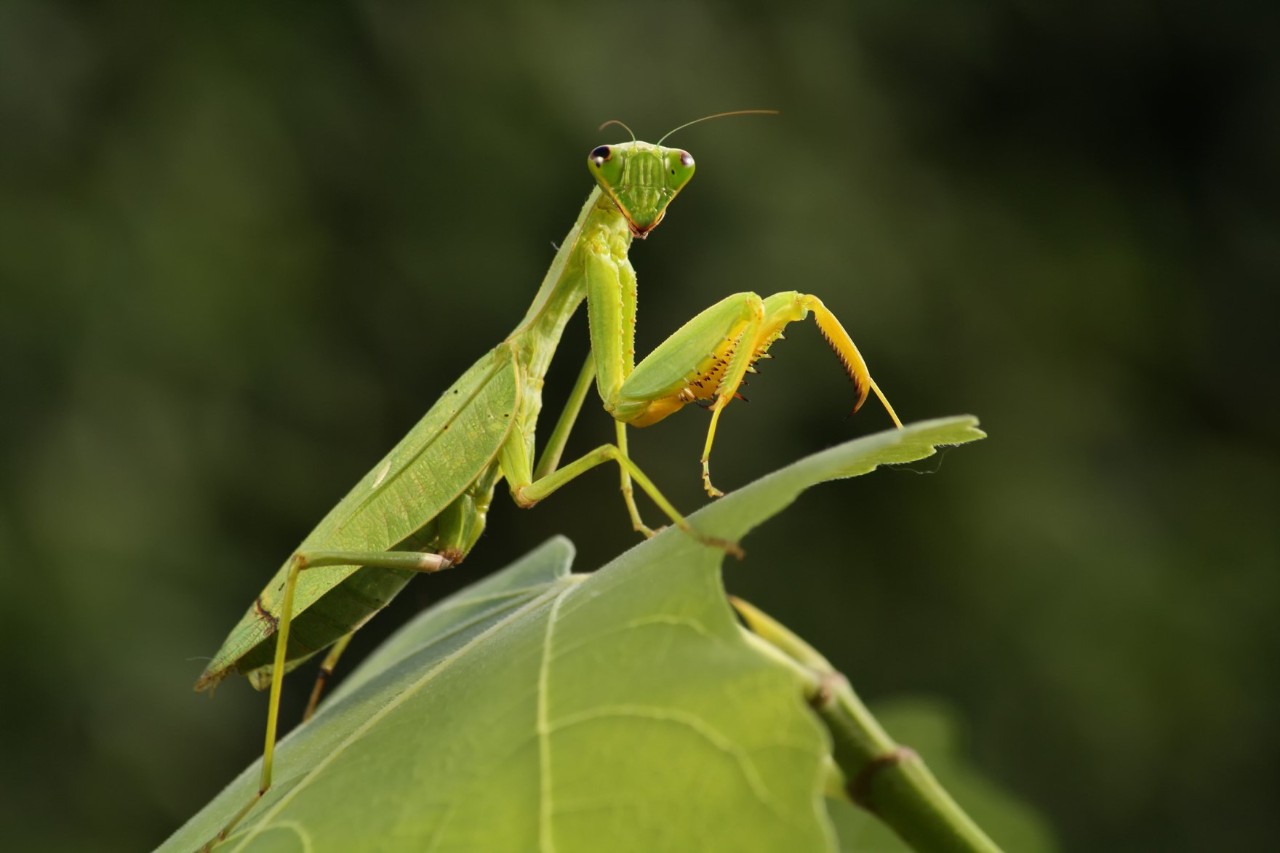
A green insect of the species Mantis sits on a leaf.

New animal species

During the course of monitoring, new animal guests from warmer, southern climes are constantly being found, which now also feel at home in Brandenburg. Insects such as the vine weevil or the praying mantis, which actually originate from the Mediterranean region, are now also spreading around BER.

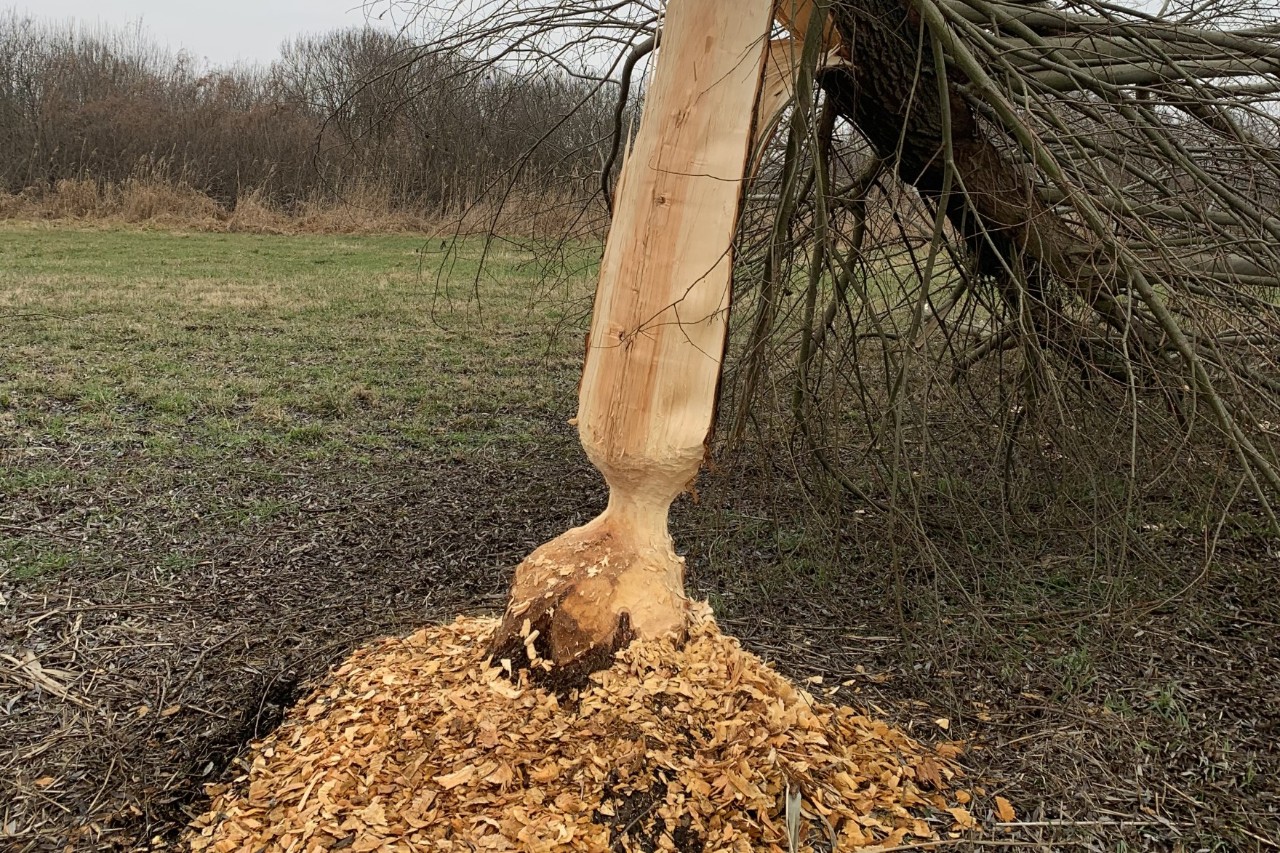
A tree destroyed by beaver activity

Native animal species

The airport company has contributed to the renaturalisation of the Waltersdorf floodplain by way of various nature conservation measures. Among other things this has resulted in the once almost extinct beaver feeling more and more at home there. So much so that the number of animals living there is increasing and they are finding more and more favour with the willows planted in 2009. In the meantime, beaver grids have been installed or replaced on endangered trees. Furthermore, some trees that had already been gnawed on were left to the beavers. In the interests of ecological balance, the situation will continue to be monitored with the nature conservation authorities and water and soil association.