Between nature conservation
and historical significance
In the direct vicinity of BER, measures have been taken on approximately 400 hectares that combine recreation and enhancement of the landscape with nature conservation. Numerous rows of trees and hedges, flowering meadows, wet meadows and small bodies of water enrich the landscape and provide habitats or biotope networks for species. The reconstruction, or creation, of five parks is particularly worthy of mention. Many of them are accessible via the Wall Trail.
The historic Großziethen
estate park
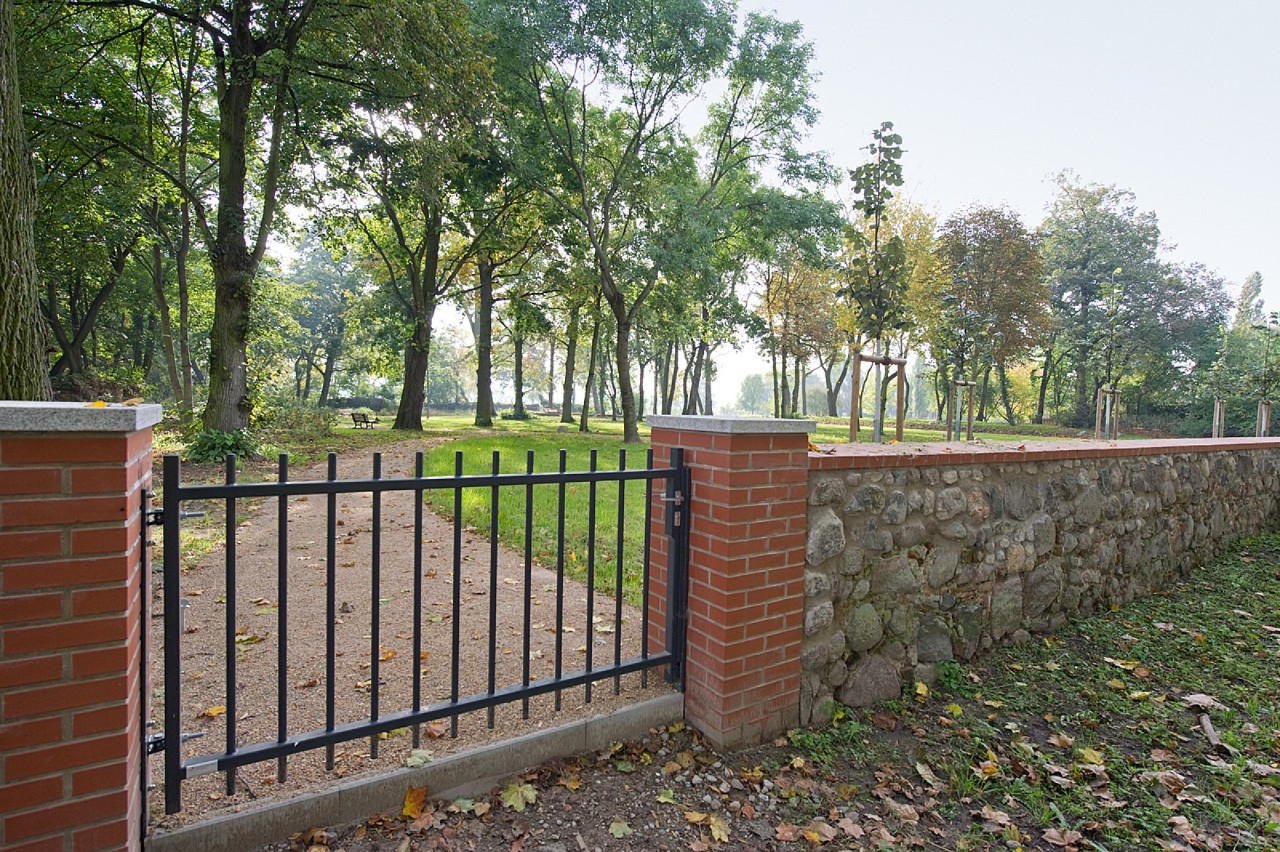
The Großziethen estate park is located in the district of the same name in the municipality of Schönefeld, not far from the tower blocks of Gropiusstadt and the Thermometer estate. Today it is located around the Wall Trail and the cycle paths of the municipalities, but originally dates back to the 19th century. During its restoration in 2009, the cultural and historical significance of the site was taken into account, as was its previously unused ecological potential. Particular emphasis was placed on preserving the valuable old trees and adding suitable trees and shrubs, which now provide plenty of habitat. The original path system and the old visual axes were also restored in the area. To do justice to the historical significance of the estate park, structural relics from the past are now recognisable once again, with the restored fieldstone wall on the village green being of particular importance.
Large meadows in the Dahlewitz
estate park
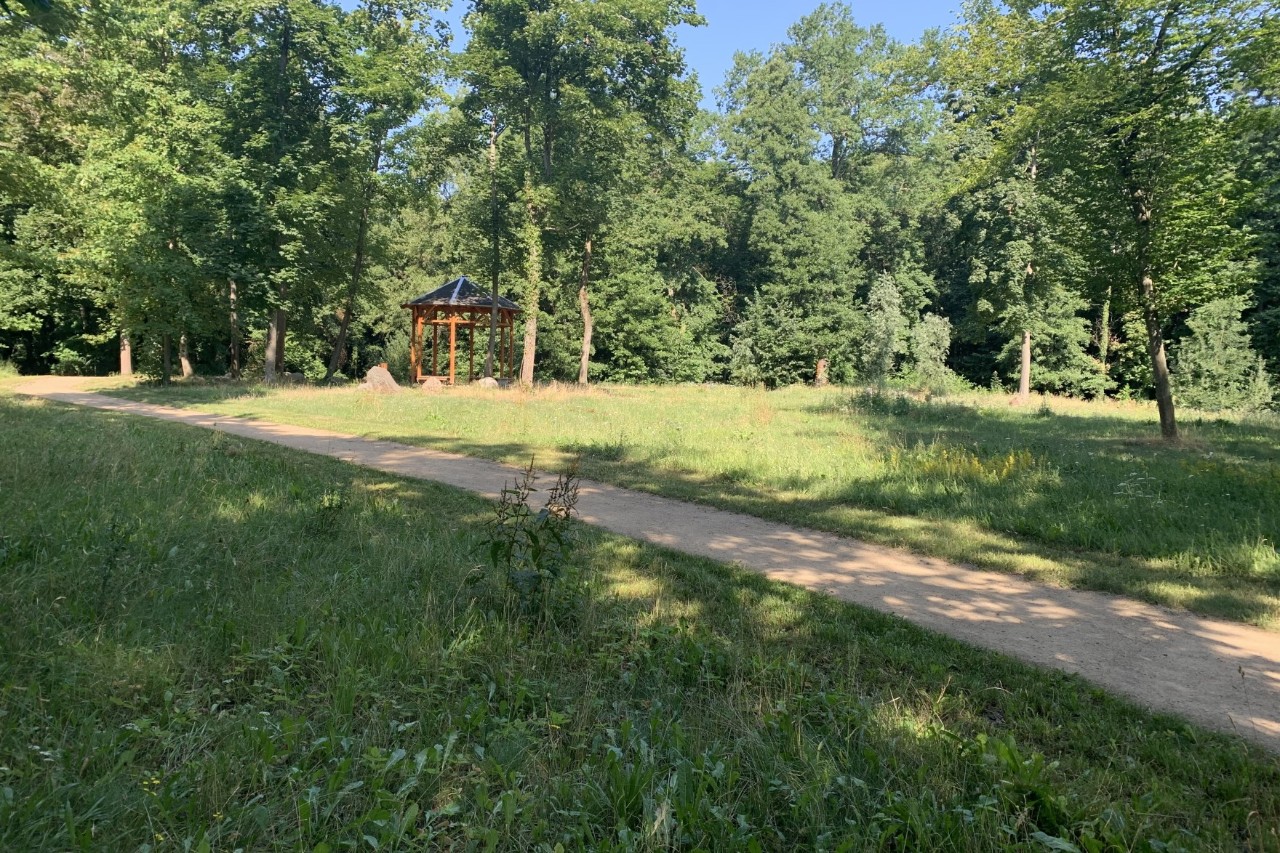
Not far from the Dahlewitz water tower, the listed “Dahlewitz Estate Park” in the municipality of Blankenfelde-Mahlow has been reconstructed along historical lines. In that respect, the historical paths were restored and almost two kilometres of new paths were created. In addition, the historic pond and ditch system was revived, four bridges were built and meadow areas spanning more than 10,000 square metres were created. Numerous native animal and plant species feel at home in the newly created habitats.
Wild horses are out and about
in the Gehren
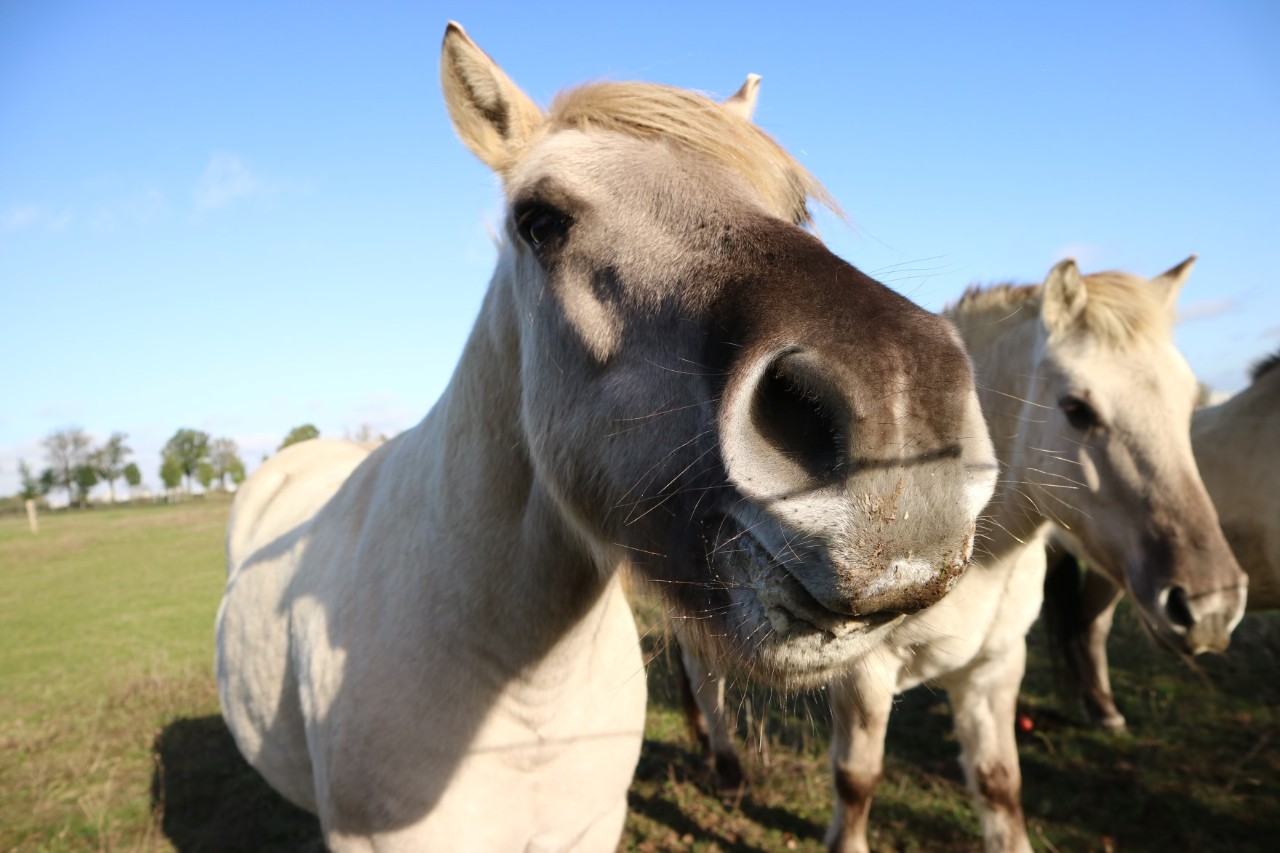
“In den Gehren,” by far the largest landscape park, is located to the west of the logistics centre in the north of Schönefeld and is best known for the grazing of Liebenthaler wild horses. The park was created in 2009 on an area that had previously been used for agriculture. By way of the creation of wetland areas and the planting of groves, individual trees and groups of trees, a significant ecological enhancement was achieved from which the native animal and plant species, in particular, benefit. The integration in the local network of paths means the 28-hectare park is easily accessible via various cycle paths. Thanks to the surrounding paths and hidden trails, the wild horses, which are fenced off by a pasture fence, can be wonderfully observed.
Vogelwäldchen between Berlin
and Brandenburg
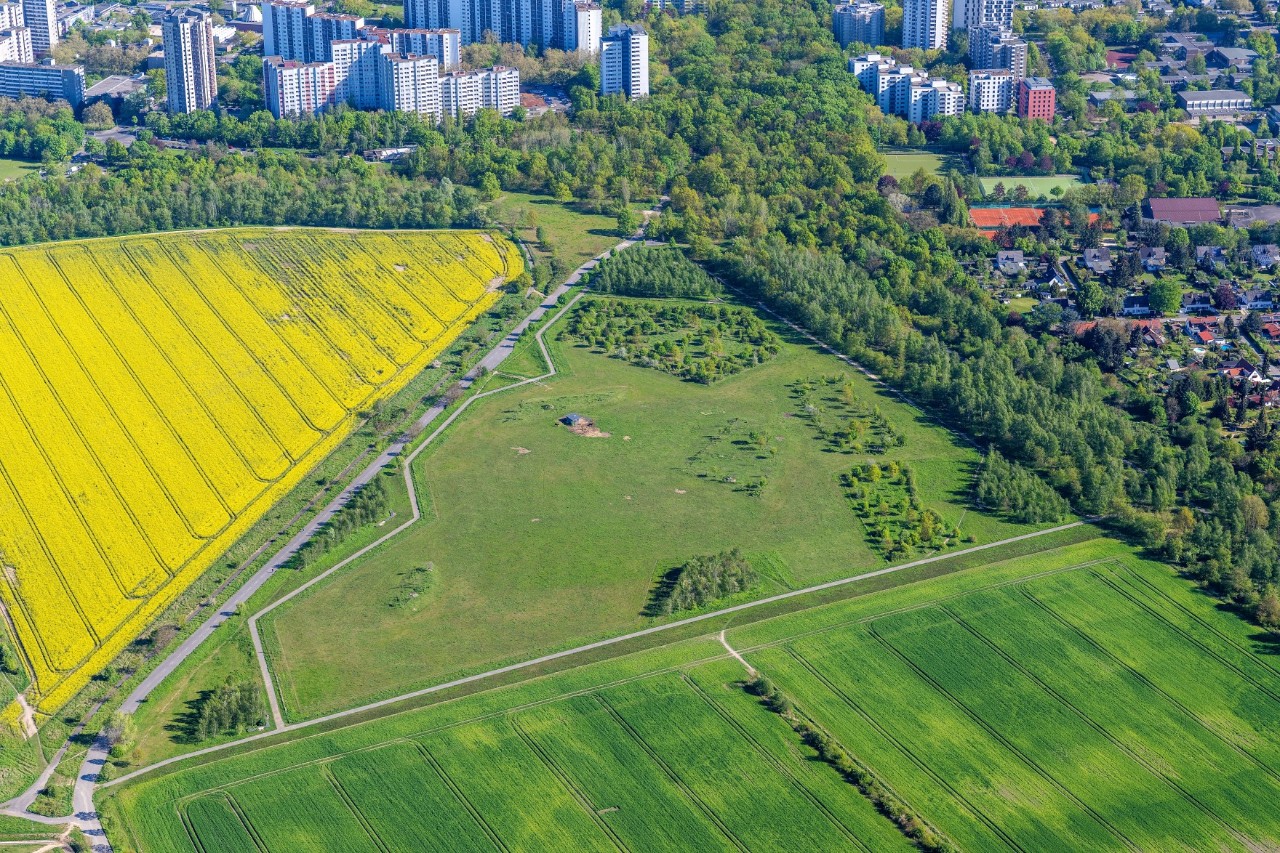
The “Vogelwäldchen” landscape park is located near Berlin’s Gropiusstadt neighbourhood. Numerous native tree species have been planted in the triangular park, enhancing the park visually and ecologically and, above all, creating new habitats. This also focuses on native species. In summer and winter, cattle can be seen grazing naturally in the park at the Vogelwäldchen. A wilderness landscape has been deliberately created here right on the outskirts of Berlin, in stark contrast to the cultivated urban parks.
Play and sports facilities
at Dörferblick
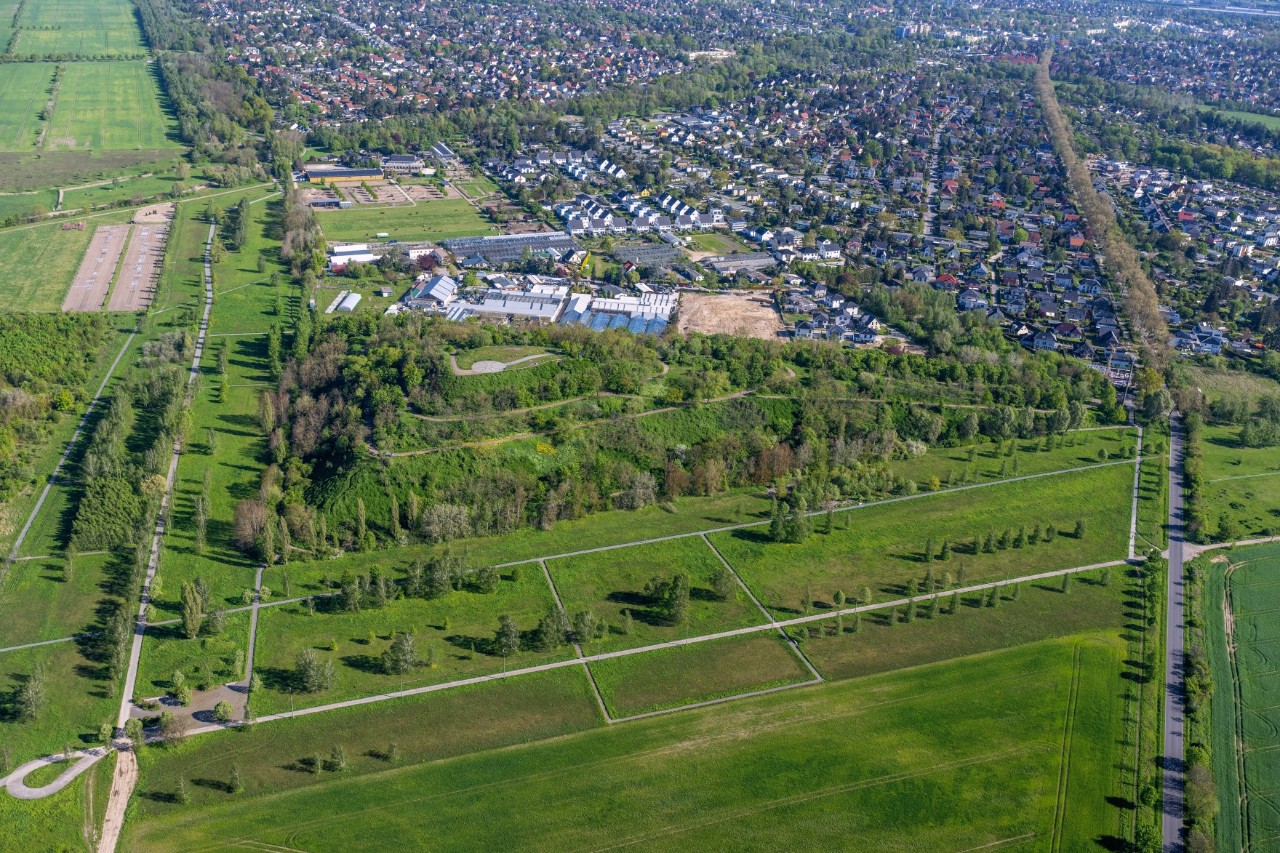
The “Am Dörferblick” landscape park is 15 hectares in size and is laid out in an L-shape not far from the Waßmannsdorfer Chausee and at the foot of the hill of the same name. It runs directly along the border between Berlin and Brandenburg. In addition to extensive, natural areas, the park also offers meadow areas that can be used for intensive play, sport and recreation as well as paths for cycling and walking. The Wall Trail, which runs through the park along the former border strip, is worthy of particular mention here.
How to reach us:
-
 Airport information (24/7)
 -
 Find the right contact


