Many nature conservation
measures have been implemented
Some nine kilometres south of BER between Rangsdorf and Mittenwalde, the Zülow Canal flows through the Zülow lowlands, a Brandenburg landscape area covering almost 2,700 hectares. Since 2013, FBB has been working with the Central Brandenburg Landscape Conservation Association to implement a wide range of nature conservation measures on an area of about 1,200 hectares. This makes the Zülowniederung by far the largest single project of all the airport company’s compensation measures. The majority of the measures are being implemented on agricultural land in cooperation with local farmers and integrated in their farming practices. This has produced 27 kilometres of avenues and rows of trees, 89 kilometres of fields and grassland edges, more than 72 hectares of forest conversion and forest edge design as well as numerous small bodies of water.
Colourful flower strips and edges
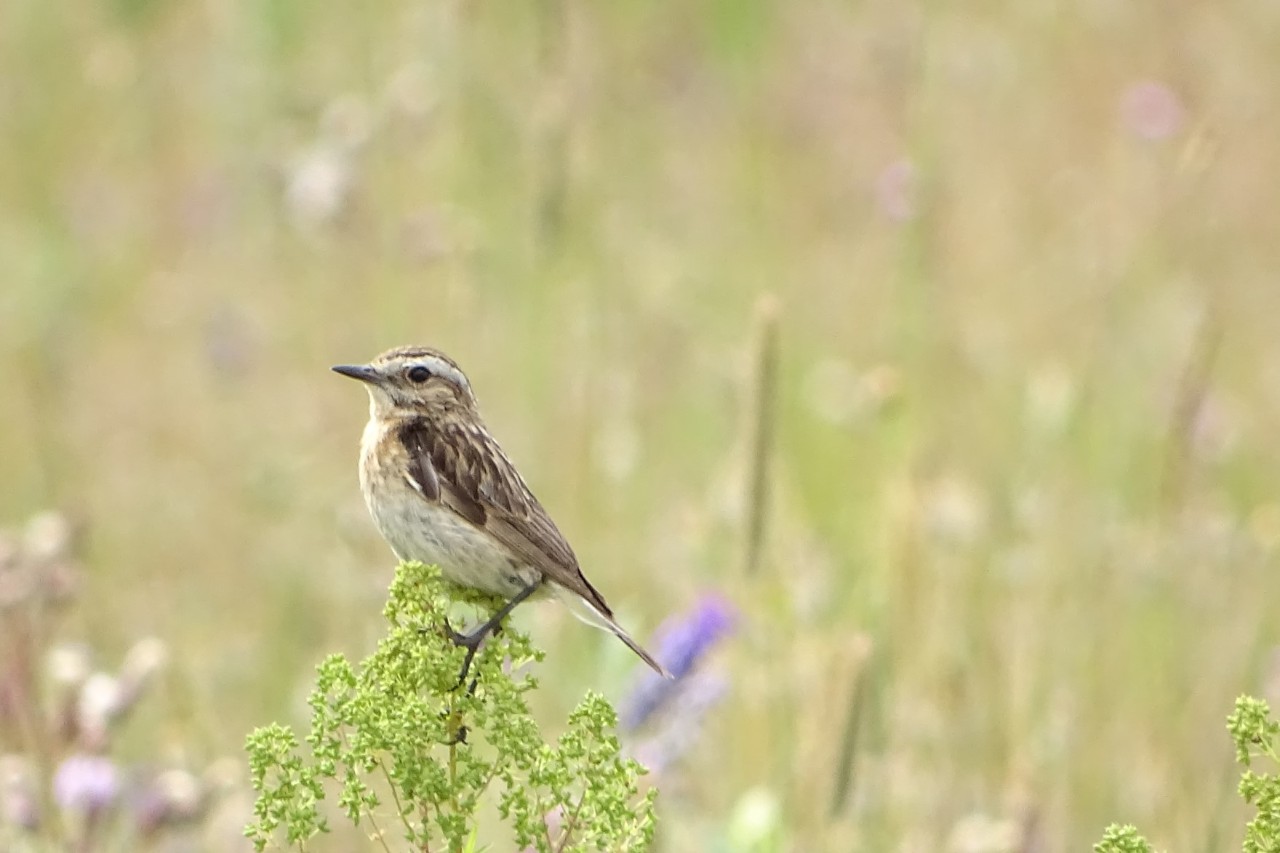
Animals use the edges and hedges as “Routes” between the intensively used farmland. The edges and hedges also provide food, cover and breeding grounds for birds, insects and small mammals.
Animals on the move
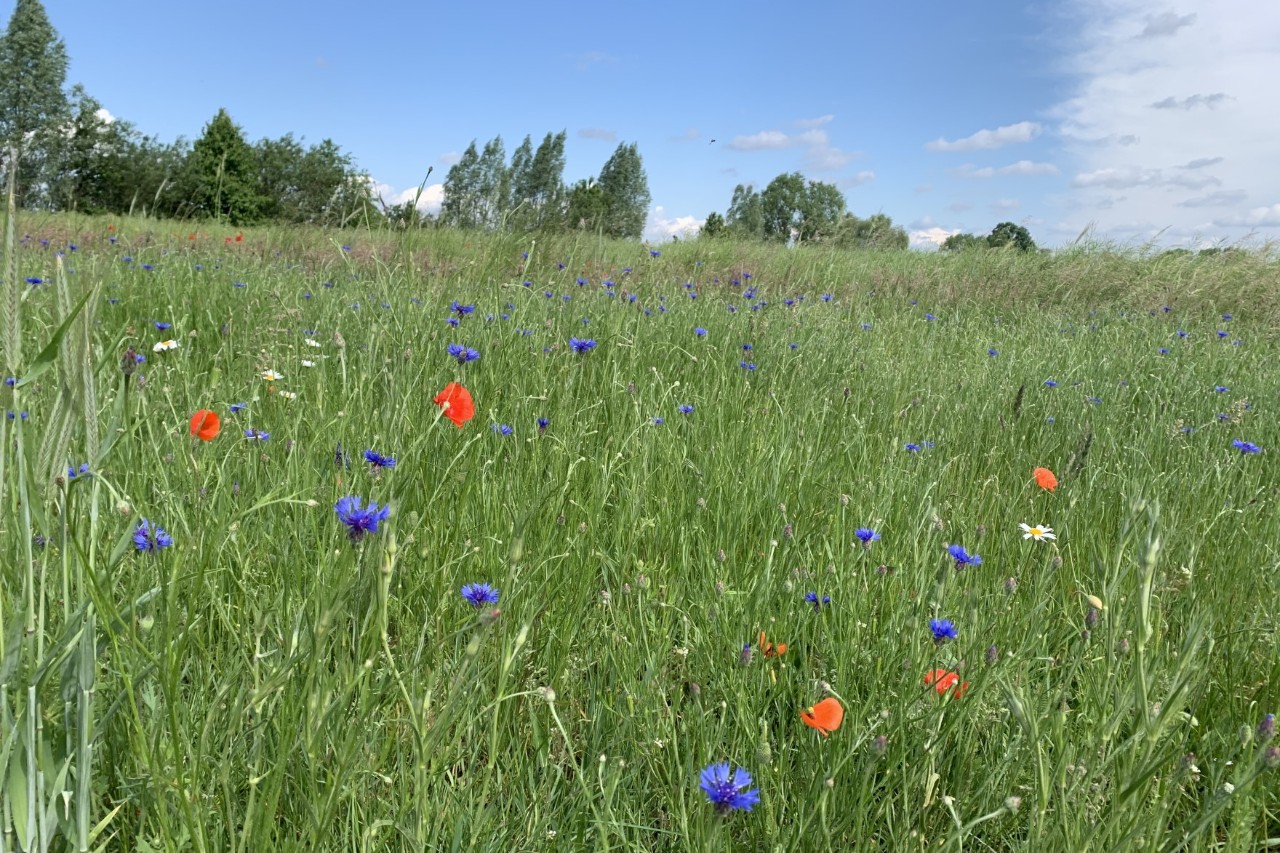
Flower strips and margins along the edges of arable fields link grassland, hedges, rows of trees, forests and small bodies of water to create a networked habitat.
Ecological diversity on land and
in water
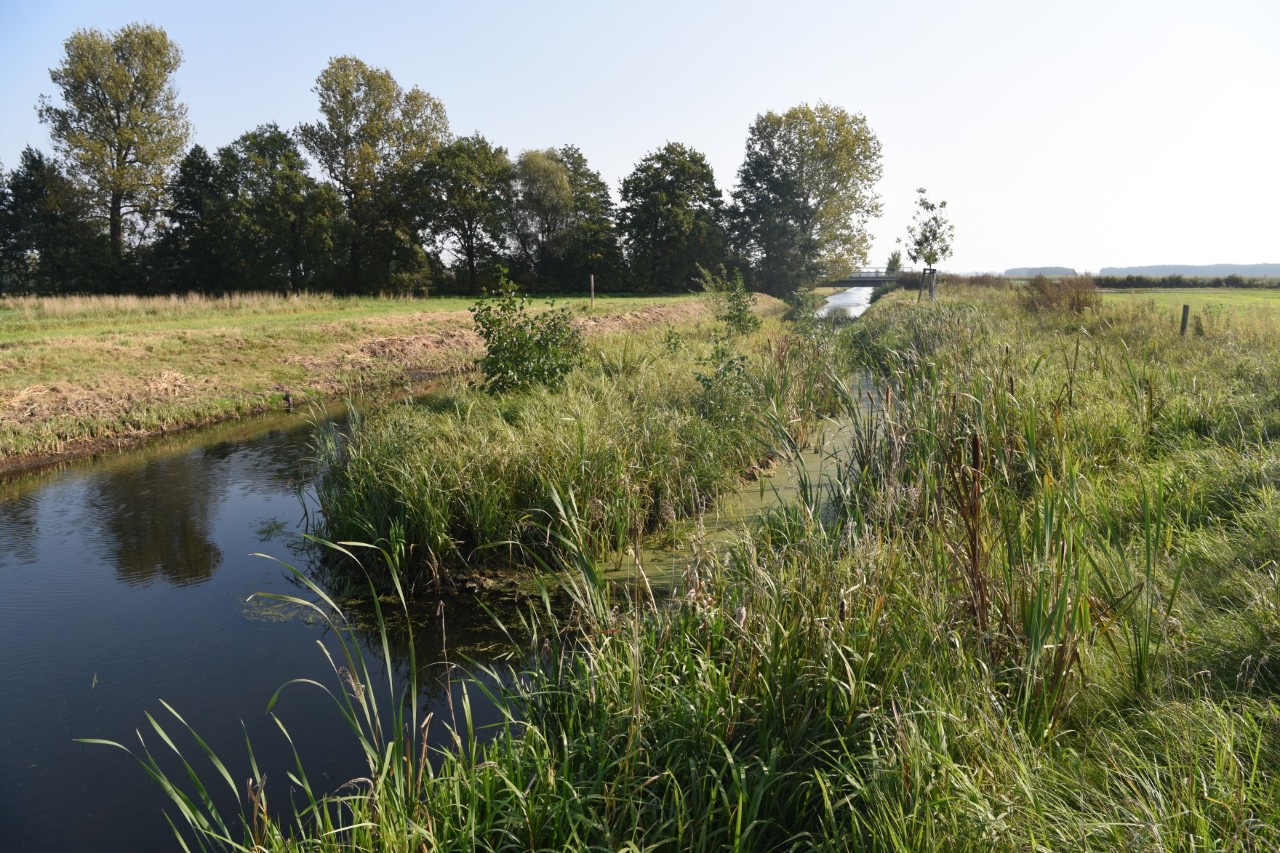
The hedges also benefit humans because they protect the soil from erosion, bind dust and store water and carbon dioxide. Small bodies of water were created in the wetter areas of the farmland, which enable insects and amphibians to grow and prosper. The structural diversity of the habitats in the Zülow Canal has been increased.
Fish on the move
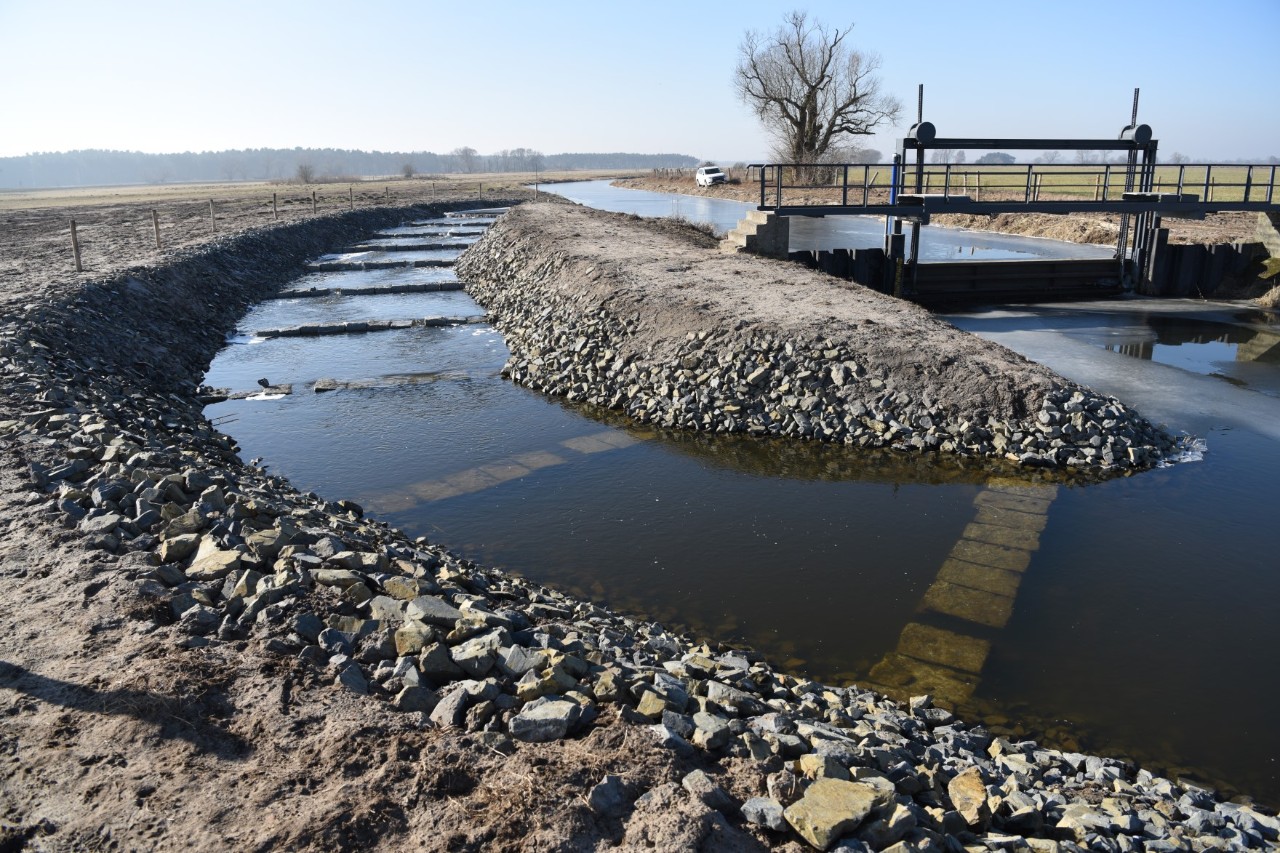
Quiet water zones for flora and fauna were created by constructing trench pockets and central islands. Fish ladders also ensure better permeability for fish and other aquatic organisms.
Excellent nature conservation
The Zülowniederung is not primarily aimed at simply implementing nature conservation “On a greenfield site,” but integrating it in farms where agriculture occurs daily. Therefore, the local cooperation with local farmers, such as the Groß Machnow agricultural co-operative and the Central Brandenburg Landscape Conservation Association (LPV), is particularly important.
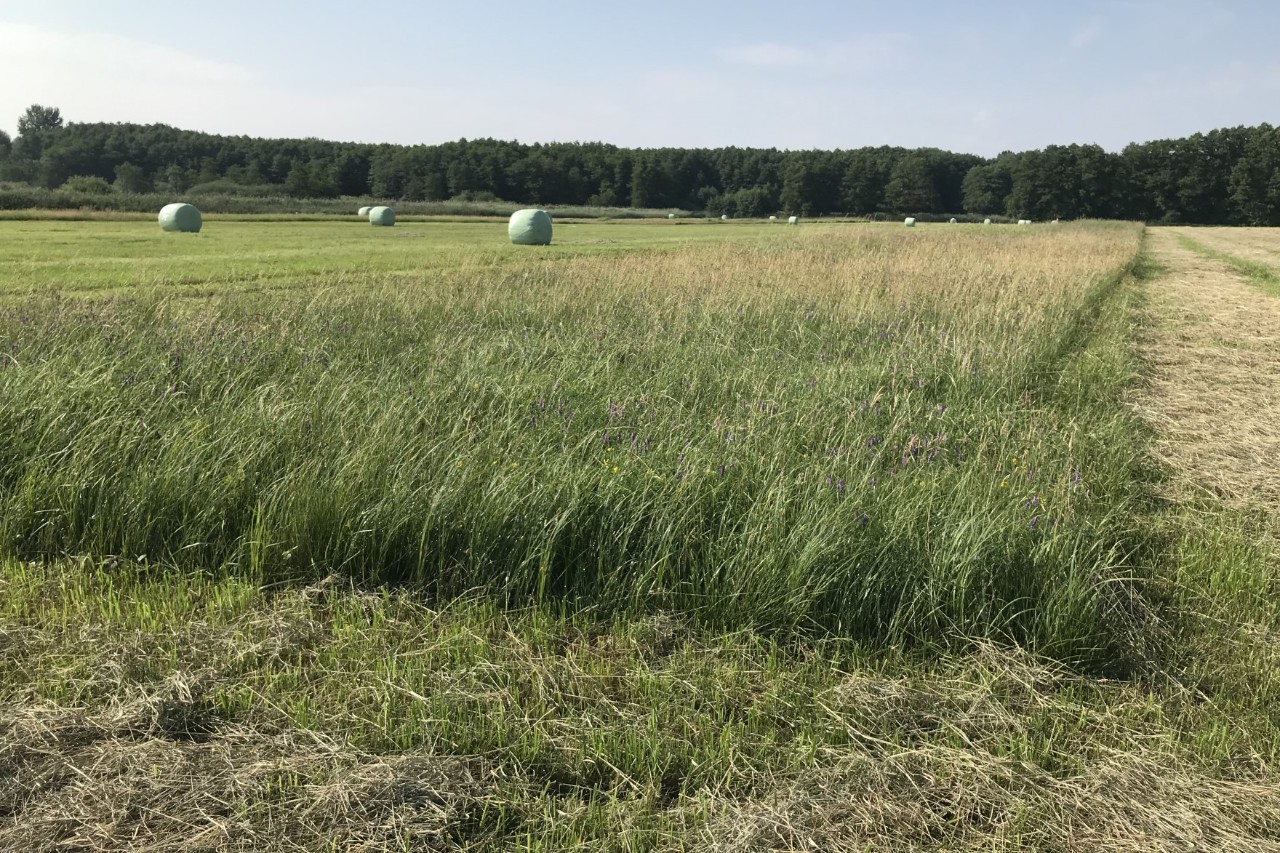
In 2020, the Groß Machnow agricultural co-operative was honoured as a key figure and ambassador for its progressive and integrated nature conservation with the German Landscape Conservation Award in the “Innovative Projects” category.
How to reach us:
-
 Airport information (24/7)
 -
 Find the right contact


